On India
Have you ever met somebody whose reputation precedes them, leaving you skeptical at first, only to get to know them and like them immediately because you understand that bizarre appeal? That’s how I feel about India.
I spent almost 2 weeks there, at the risk of being food poisoned. Despite the constant warnings about not eating salad or drinking unboiled water, I found everything else wonderfully weird there. I couldn't resist the charm of India for it being so complicated, at the same time so true to itself.
It was a pilgrimage trip and therefore I spent a bit more time understanding its history. Without a glimpse into its history, you will probably leave India unimpressed. However, with knowledge, it gives you the humility to understand more.
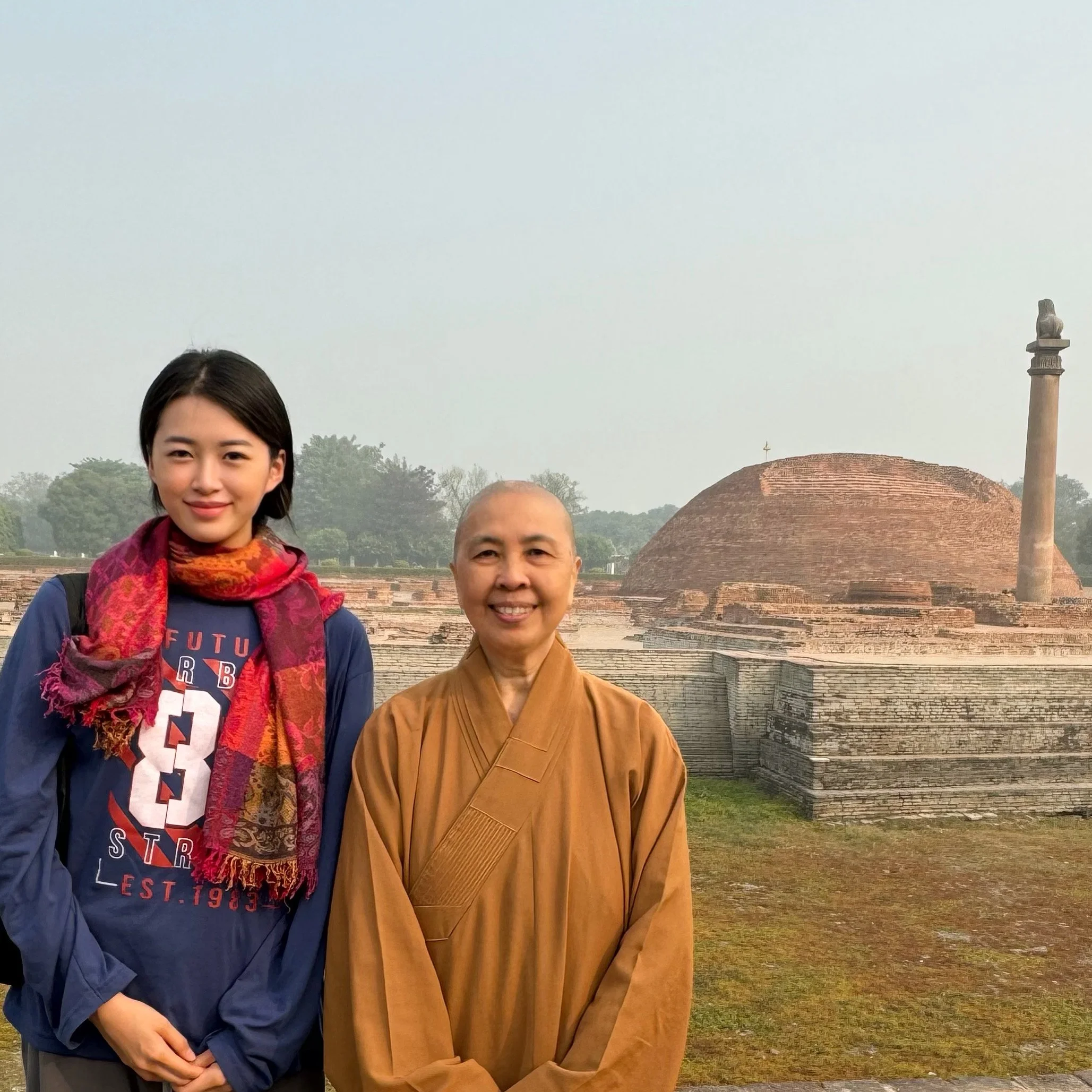
It was a pilgrimage trip
1/ Indian Philosophy
I did my brief study on the Indian philosophy - of course I cannot boil the entire ocean, but it is meaningful to share some general characteristics of it:
Indian philosophy includes both orthodox systems & unorthodox systems (such as Buddhism and Jainism), both has been concerned with various philosophical problems
the world (cosmology),
the nature of reality (metaphysics)
logic
nature of knowledge (epistemology)
ethics
religion
2/ On intuitive knowledge
Indian systems like Vaiseshika emphasize naturalism, blending intuition with empirical insight. We all know Steve Jobs and probably are using Apple products now. You might not know Jobs' experience in India (sleeping in temples, hitchhiking) greatly honed his "reality distortion field," showing how Eastern intuition fuels Western innovation. I believe in logic thinking but also believe that building intuition will help expand our imagination realm.
Indian philosophy doesn't just ponder over our own existence, it offers tools for transcending suffering, a quest that is so deep in our heart. Buddhism posits intuitive knowledge as direct (somethings non-rational) insights into truths, may be achieved through meditation. In contrast to Western epistemology, which usually integrates intuition but subordinates it to reason or empirical verification.
3/ Bihar & Nalanda University
Bihar is a landlocked state in eastern India, bordering Nepal to the north and states like Uttar Pradesh, Jharkhand, and West Bengal. It is the second-most populous state in the country, with an estimated population of around 130 million.
I spent almost my whole trip there in Bihar as the state is renowned for its ancient heritage, including sites like Bodh Gaya (where Buddha attained enlightenment) and the ruins of Nalanda University (where monk XuanZang studied).
Nalanda University wasn't merely a university; it was a global beacon (5th–12th century CE), housing 10,000 students from China, Korea, and beyond, with a library so vast it burned for months during invasions. Xuanzang spent years there, carrying back 657 texts that shaped East Asian Buddhism.
To Be Continued…